
Understanding the Permanent Solution to Missing Teeth
For decades, traditional dentures have served as the primary solution for individuals dealing with tooth loss. Whilst these removable prosthetics have helped countless people regain their ability to eat and speak, they come with a rather inconvenient reality: the daily ritual of removal, cleaning, and the reliance on adhesive products to keep them securely in place. Dental implants represent a fundamentally different approach, offering a permanent alternative that integrates directly with the jawbone, eliminating the need for messy adhesives and nightly removal routines altogether.
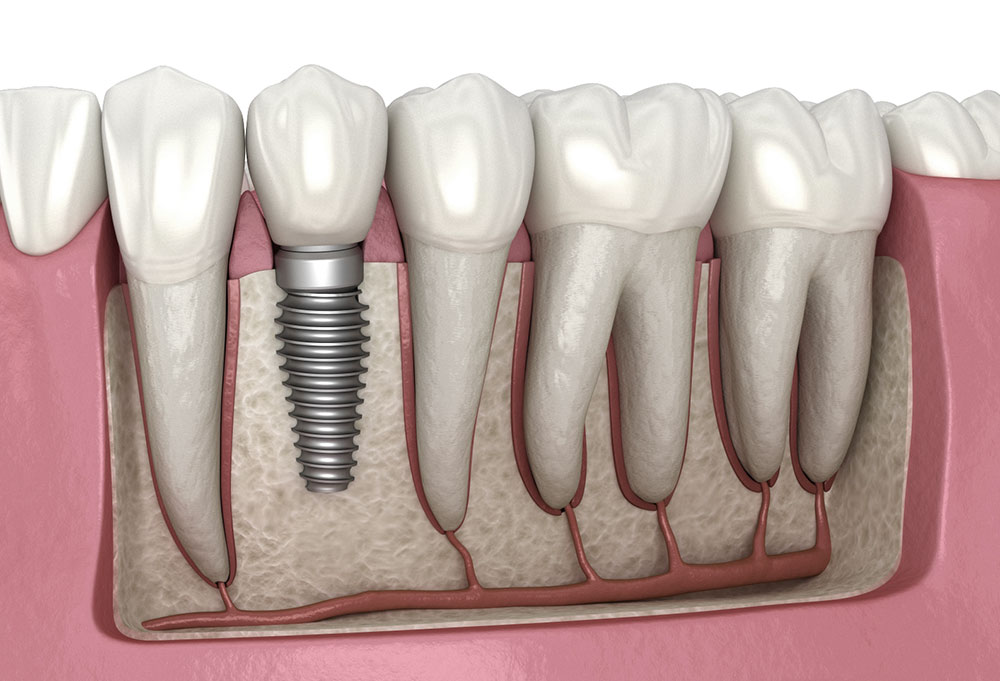
The distinction between these two tooth replacement options extends far beyond simple convenience. Traditional dentures rest on top of the gums, relying on suction and adhesive creams to maintain their position during eating and speaking. This approach, whilst functional, requires users to develop new eating techniques, avoid certain foods, and accept the possibility of embarrassing slippage at inopportune moments. Dental implants, conversely, function as artificial tooth roots surgically placed into the jawbone, providing a stable foundation that mimics natural teeth in both form and function.
The Science Behind Permanent Tooth Replacement
Dental implants achieve their remarkable stability through a biological process called osseointegration. During this process, the titanium implant post fuses with the surrounding bone tissue over several months, creating a permanent anchor that can withstand the same biting forces as natural teeth. This integration means that once healed, the implant becomes a fixed part of the oral structure, requiring no adhesives, no removal for cleaning, and no special maintenance beyond normal brushing and flossing.
Those considering dental Implants in Winchmore Hill will find that this permanent solution offers significant advantages over traditional dentures. The implant-supported teeth remain firmly in place throughout all daily activities, allowing patients to eat, speak, and laugh with complete confidence. There is no need to worry about denture adhesive failing during an important meeting or social gathering, nor any requirement to remove prosthetics before bedtime.
Life Without Denture Adhesives
Traditional denture wearers become intimately familiar with adhesive products, often purchasing them monthly and applying them daily. These creams and powders serve as the primary means of keeping dentures secure, yet they represent an imperfect solution. Understanding the key differences between dentures and implants helps clarify why adhesives become unnecessary with implant-supported restorations.
The Daily Convenience Factor
The absence of adhesives translates to meaningful time savings and reduced ongoing costs. Denture wearers must budget for regular purchases of adhesive products, which can accumulate to substantial amounts over the years. Furthermore, the application process itself requires time each morning, and the removal of adhesive residue demands additional effort during cleaning. Dental implants eliminate these tasks entirely, as the permanently fixed restorations require only standard oral hygiene practices that mirror the care given to natural teeth.
Freedom From Nightly Removal Routines
Perhaps one of the most liberating aspects of dental implants is the elimination of the nightly removal ritual. Traditional denture wearers must remove their prosthetics each evening, clean them thoroughly, and store them in solution overnight. This routine, whilst necessary for denture maintenance, serves as a constant reminder of tooth loss and can impact self-esteem and spontaneity in social situations.
Dental implants remain in place permanently, allowing individuals to maintain their privacy and dignity without the need for nightly removal. There are no concerns about overnight guests discovering dentures soaking in the bathroom, nor any awkward moments related to prosthetic removal. The implants simply become part of one’s natural oral anatomy, indistinguishable from biological teeth in daily life.
Long-Term Oral Health Benefits
Beyond convenience, the permanent nature of dental implants provides significant oral health advantages. Comparing implants and dentures for missing teeth reveals that implants help preserve jawbone density by providing the stimulation that bone tissue requires to maintain its structure. Traditional dentures, which rest on top of the gums, cannot provide this stimulation, often leading to bone resorption over time.
This bone preservation means that facial structure remains more stable with implants, preventing the sunken appearance that can develop after years of denture wear. The permanent fixtures also eliminate the irritation and sore spots that removable dentures can create against gum tissue, particularly when adhesives fail to maintain proper positioning.
Making the Transition to Permanent Tooth Replacement
For those weighing their options, exploring the full comparison between these tooth replacement methods provides valuable insight into the investment required for each approach. Whilst dental implants represent a higher initial cost, the elimination of ongoing adhesive purchases, replacement dentures, and adjustment appointments often balances the financial equation over time. More importantly, the quality of life improvements and freedom from daily maintenance routines make dental implants an increasingly popular choice for individuals seeking a truly permanent solution to tooth loss.